Amphetamine is a Schedule II controlled substance available by prescription and is also available on the illicit market. Amphetamines are a class of potent sympathomimetic agents with therapeutic applications. They are chemically related to the human body’s natural catecholamines:
epinephrine and norepinephrine. Acute higher doses lead to enhanced stimulation of the central nervous system (CNS) and induce euphoria, alertness, reduced appetite, and a sense of increased energy and power. Cardiovascular responses to amphetamines include increased blood pressure and cardiac arrhythmias. More acute responses produce anxiety, paranoia, hallucinations, and psychotic behavior.
The effects of Amphetamines generally last 2-4 hours following use and the drug has a half-life of 4-24 hours in the body. About 30% of amphetamines are excreted in the urine in unchanged form, with the remainder as hydroxylated and deaminated derivatives.
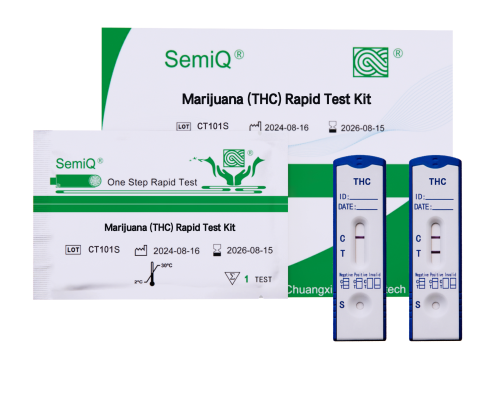
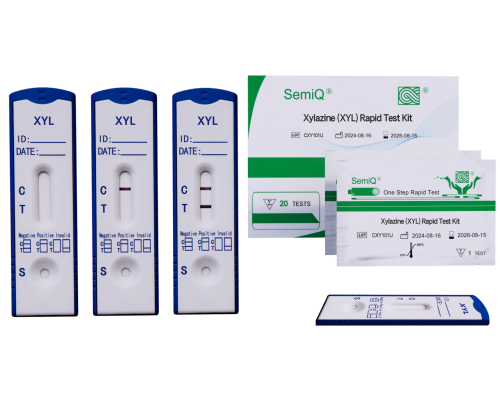
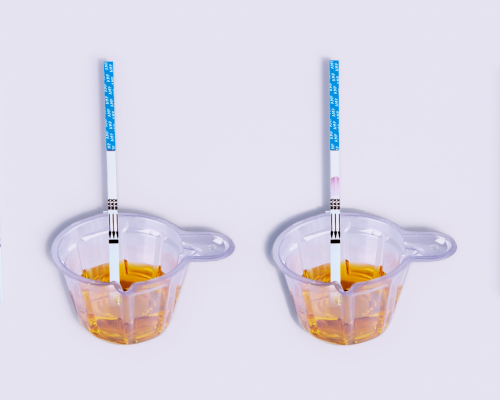
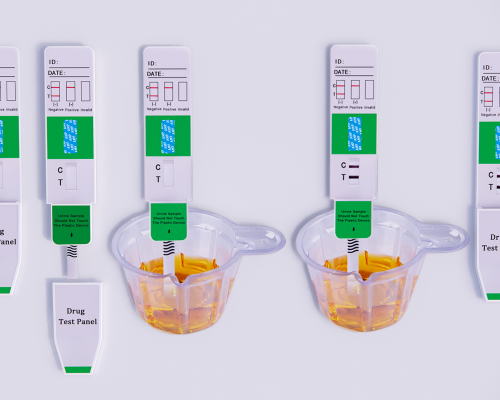
NEGATIVE :Two lines appear. One color line should be in the control region (C), and another apparent color line should be in the test region (T). This negative result indicates that the specimens concentration is below the detectable cutoff level.
NOTE : The shade of color in the test region (T) may vary, but it should be considered negative whenever there is even a faint color line.
POSITIVE : One color line appears in the control region (C). No line appears in the test region (T). This positive result indicates that the specimens concentration is above the detectable cutoff level.
INVALID: Control line fails to appear. Insufficient specimen volume or incorrect procedural techniques are the most likely reasons for control line failure. Review the procedure and repeat the test with a new test kit . If the problem persists, discontinue using the test kit immediately and contact your local distributor.
 Follow Official Account