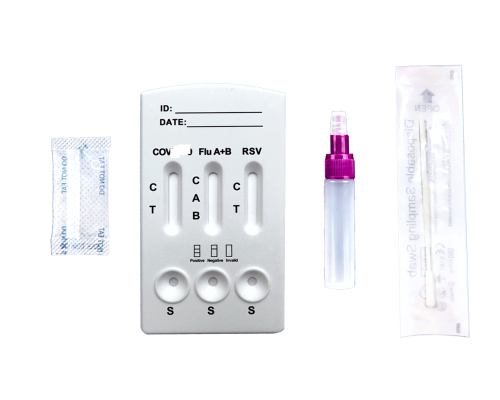
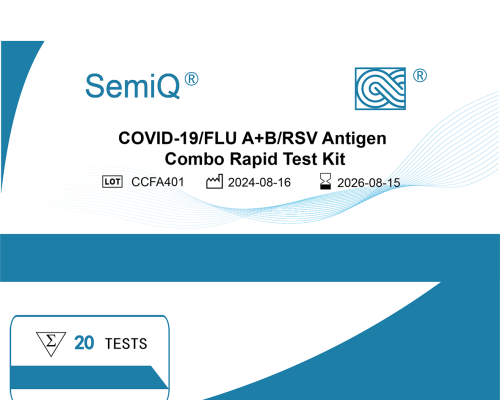
SARS-CoV-2 is an enveloped, single-stranded RNA virus of the β genus. COVID-19 is an acute respiratory infectious disease. People are generally susceptible. Currently, the patients infected by the COVID-19 are the main source of infection; asymptomatic infected people can also be an infectious source. Based on the current epidemiological investigation, the incubation period is 1 to 14 days, mostly 3 to 7 days. The main manifestations include fever, fatigue and dry cough. Nasal congestion, runny nose, sore throat, myalgia and diarrhea are found in a few cases. Clinical signs and symptoms of respiratory viral infection due to COVID-19 and influenza can be similar. Once infected with the SARS-CoV-2 virus, the patient may be hospitalized and some complications may occur. The virus may even lead to death for patients if prompt treatment is not received.
Influenza (commonly known as ‘flu’) is a highly contagious, acute viral infection of the respiratory tract. It is a communicable disease easily transmitted through the coughing and sneezing of aerosolized droplets containing live virus. Influenza outbreaks occur each year during the fall and winter months. Three types of influenza viruses affect people, called Type A, Type B, and Type C. Type A viruses are typically more prevalent than type B viruses and are associated with most serious influenza epidemics, while type B infections are usually milder. Along with the common cold, influenza is one of the most common acute respiratory infections. It produces symptoms such as headache, chills, dry cough, body aches and fever. The symptoms of the patient are so diverse.
RSV (Respiratory syncytial virus) is a syncytial virus that causes highly contagious and acute vira l infection of the respiratory tract . The virus is transmitted from person to person via close contact , droplets, or fomites . It also can live on surfaces (such as countertops or doorknobs) and on hands and clothing, so it can be easily spread when a person touches something contaminated. In temperate climates there is an annual epidemic during the winter months. In tropical climates, infection is most common during the rainy season. Respiratory Syncytial Virus (RSV), which causes infection of the lungs and breathing passages, is a major cause of respiratory illness in young children.In adults, it may only produce symptoms of a common cold, such as a stuffy or runny nose, sore throat, mild headache, cough, fever, and a general feeling of being ill. But in premature babies and kids with diseases that affect the lungs, heart, or immune system, RSV infections can lead to other more serious illnesses. Respiratory illness caused by RSV — such as bronchiolitis or pneumonia — usually lasts about a week, but some cases may last several weeks. Although anyone can contract RSV, the most susceptible individuals to severe symptoms are the elderly and children under the age of one.



 Follow Official Account