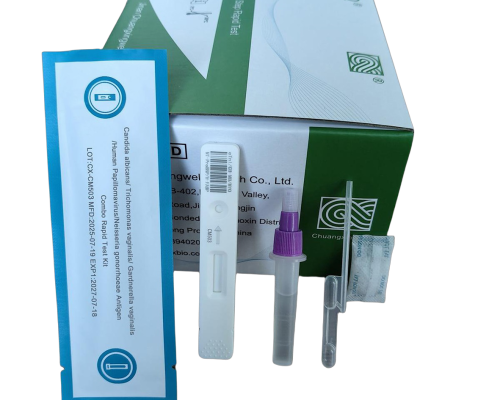
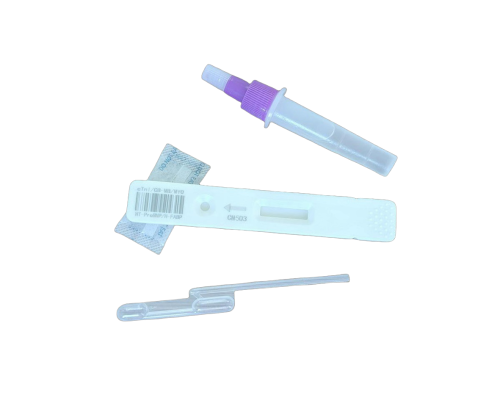
CTnI/CK-MB/Myo/NT-proBNP/H-FABP Diagnostic Kit CE Certified Class II Pathological Analysis Equipment
Release date:
2026-02-06 16:51:27
Readings:
13 Author:
admin
Cardiac marker test kits, such as those for cTnI (cardiac troponin I), CK-MB (creatine kinase-MB), Myo (myoglobin) ,NT-proBNP (N-terminal pro-B-type natriuretic peptide) and H-FABP (heart-type fatty acid-binding protein) are used to assess the levels of specific biomarkers in the blood to diagnose and monitor heart-related conditions, particularly acute coronary syndromes, including heart attacks.
Cardiac biomarkers are specific proteins or enzymes released into the bloodstream during myocardial injury or stress. Changes in their concentrations provide critical evidence for diagnosing heart disease and assessing risk. The most clinically essential markers include cardiac troponin I (cTnI), creatine kinase MB isoenzyme (CK-MB), myoglobin (Myo), N-terminal pro-brain natriuretic peptide (NT-proBNP), and cardiac-type fatty acid-binding protein (H-FABP). cTnI exhibits high myocardial specificity and serves as the “gold standard” for diagnosing acute myocardial infarction; CK-MB is a traditional myocardial injury marker; Myo shows the earliest elevation after myocardial injury and can be used for early screening; NT-proBNP is a core indicator for heart failure diagnosis and management; H-FABP can be detected at elevated levels during ultra-early myocardial ischemia. Medically, measuring serum concentrations of these markers aids in diagnosing acute coronary syndromes, heart failure, and other critical cardiac conditions. Combined detection of multiple markers is widely recognized as a key strategy for precision diagnosis and treatment of cardiovascular diseases. [2] The dynamic changes in cardiac biomarkers directly reflect the extent of myocardial cell damage and cardiac function status. This necessitates the integration of multiple indicator results for accurate clinical judgment. Cardiac biomarker testing serves as a core tool for differentiating the causes of acute chest pain and performing risk stratification. Abnormal levels correlate closely with various severe cardiovascular events, including acute myocardial infarction, unstable angina, heart failure, and sudden cardiac death. Therefore, cardiac biomarker testing (particularly for cTnI and NT-proBNP) in high-risk individuals or suspected patients is now considered an “indispensable diagnostic and therapeutic process” in emergency departments, cardiology units, and chest pain centers.
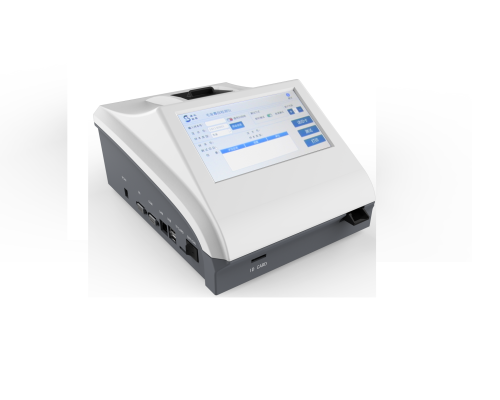 RDTD19H Desktop Fluorescent Hair Drug Detection Instrument
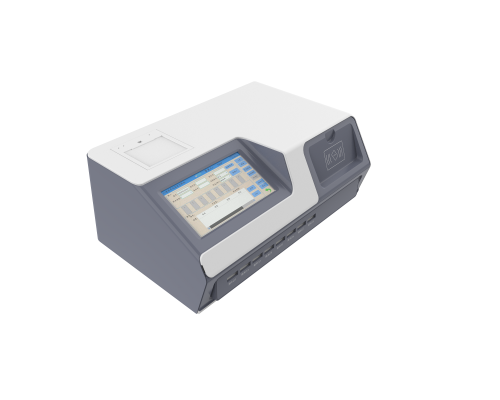 Eight-Channel Fluorescent Hair Drug Detector RDTD19
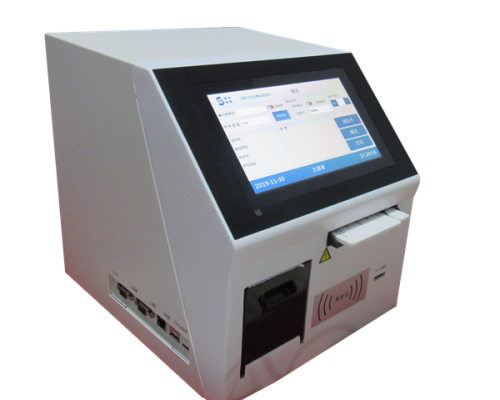 Multi-Card Fluorescent Hair Drug Analyzer HD19HX
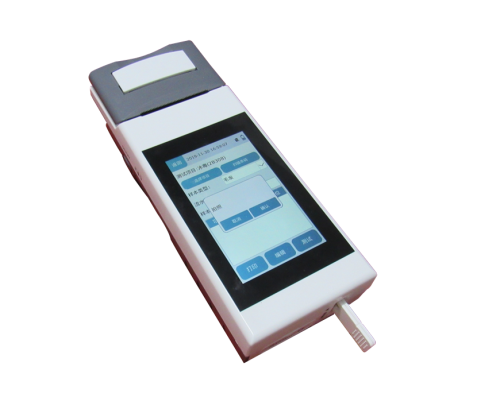 Multi-Card Fluorescent Hair Drug Analyzer HD19HX
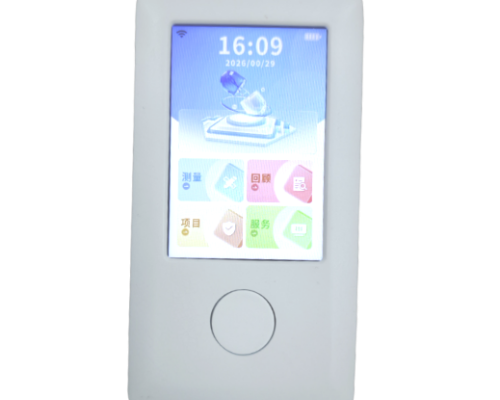 Handheld Fluorescence Drug Detector HD20C
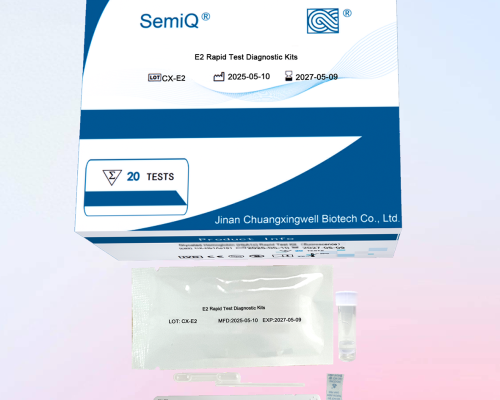 E2 Plug-In Power Supply Rapid Diagnostic Test Kits for Fertility Ovarian Function CE Certified Class II
 Follow Official Account