Benzodiazepines are medications that are frequently prescribed for the symptomatic treatment of anxiety and sleep disorders. They produce their effects via specific receptors involving a neurochemical called gamma aminobutyric acid (GABA). Because they are safer and more effective, benzodiazepines have replaced barbiturates in the treatment of both anxiety and insomnia. Benzodiazepines are also used as sedatives before some surgical and medical procedures, and for the treatment of seizure disorders and alcohol withdrawal.
Risk of physical dependence increases if benzodiazepines are taken regularly (e.g., daily) for more than a few months, especially at higher than normal doses. Stopping abruptly can bring on such symptoms as trouble sleeping, gastrointestinal upset, feeling unwell, loss of appetite, sweating, trembling, weakness, anxiety and changes in perception.
Only trace amounts (less than 1%) of most benzodiazepines are excreted unaltered in the urine; most of the concentration in urine is conjugated drug. The detection period for benzodiazepines in urine is 3-7 days.
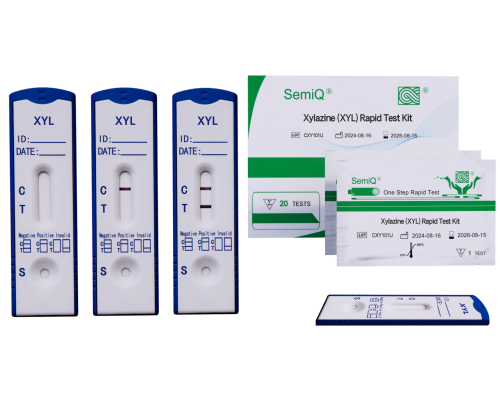
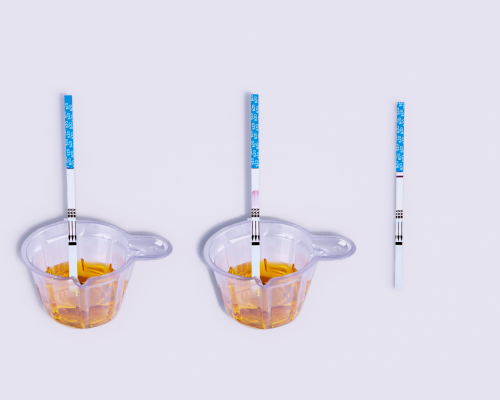
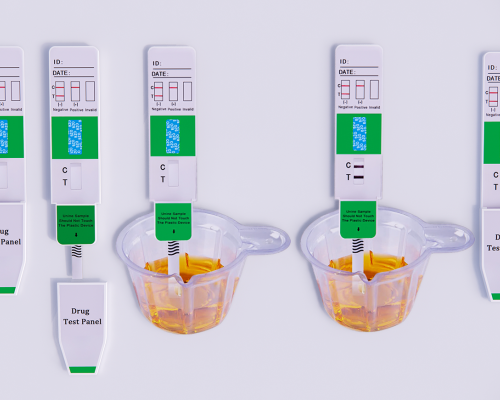
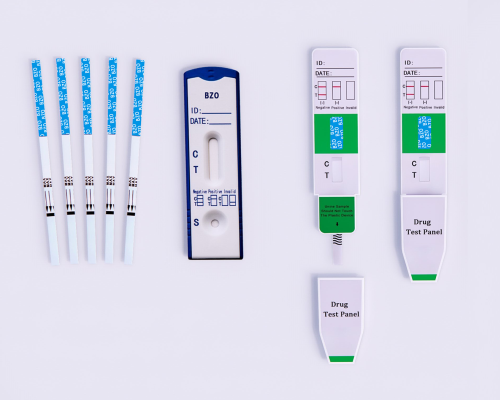
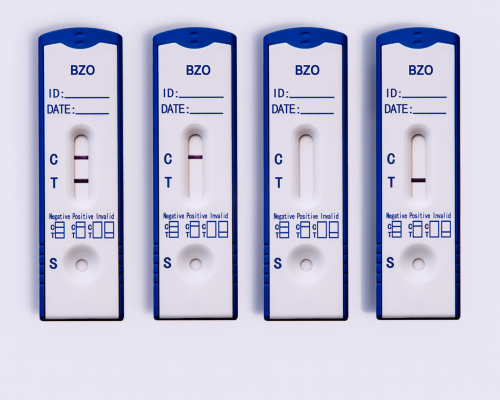
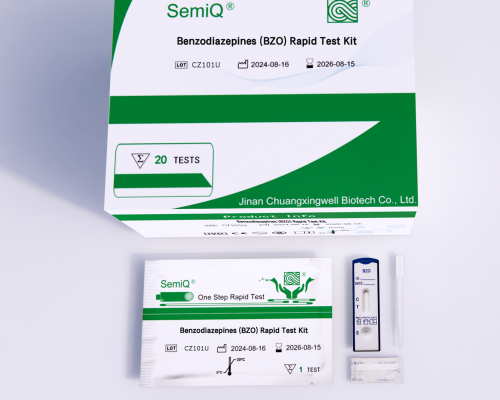
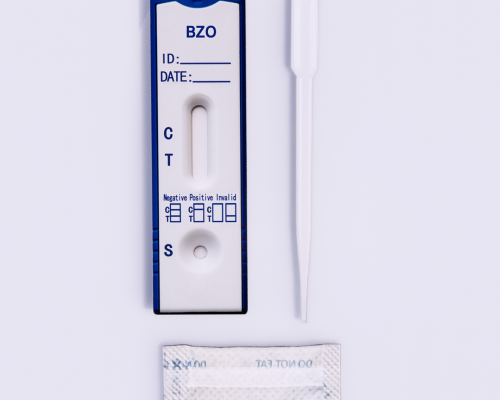
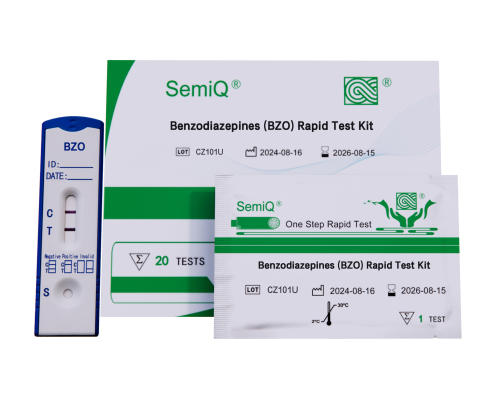
NEGATIVE :Two lines appear. One color line should be in the control region (C), and another apparent color line should be in the test region (T). This negative result indicates that the specimens concentration is below the detectable cutoff level.
NOTE : The shade of color in the test region (T) may vary, but it should be considered negative whenever there is even a faint color line.
POSITIVE : One color line appears in the control region (C). No line appears in the test region (T). This positive result indicates that the specimens concentration is above the detectable cutoff level.
INVALID: Control line fails to appear. Insufficient specimen volume or incorrect procedural techniques are the most likely reasons for control line failure. Review the procedure and repeat the test with a new test kit . If the problem persists, discontinue using the test kit immediately and contact your local distributor.
 Follow Official Account